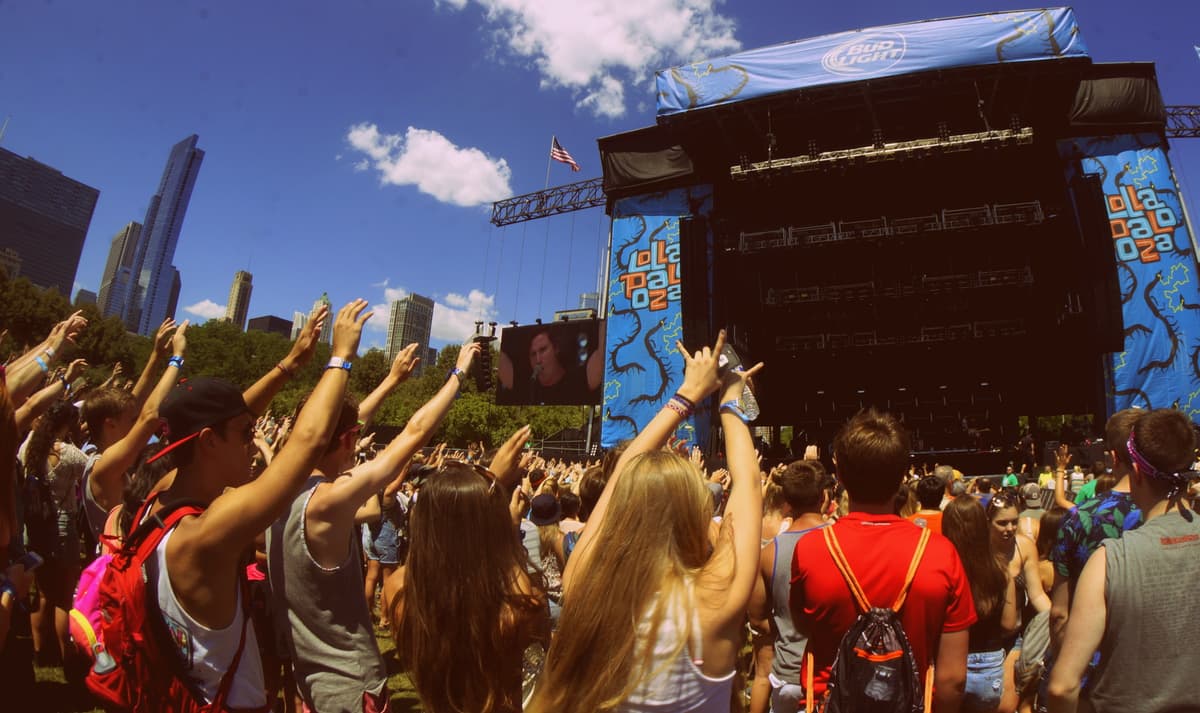
Lollapalooza 2026: Lineup, Tickets, Dates & Chicago Festival Guide
Lollapalooza is one of the most iconic music festivals in the world — and its setting in Chicago's Grant Park, right on the lakefront, makes it unlike any other major festival. No camping, no dusty fields: Lollapalooza is a city festival, held annually in late July or early August, where you go home (or to your hotel) every night.
Here's your complete guide to Lollapalooza 2026.
Festival Overview
Location: Grant Park, Chicago, IL (along Lake Michigan, adjacent to downtown) Duration: 4 days (Thursday–Sunday, late July / early August) Capacity: ~100,000 per day Stages: 8 stages spread across 115 acres of Grant Park
Lollapalooza was founded in 1991 by Perry Farrell of Jane's Addiction and has been a fixture in Grant Park since 2005. It's one of the few major festivals that happens in the middle of a major American city, which means world-class restaurants, hotels, and nightlife are walking distance from the stages.
2026 Lineup
Lollapalooza typically announces its headliners in late March or early April, with the full lineup rolling out in waves. The festival books 4 headliners (one per night on the main Bud Light Stage) plus dozens of supporting acts across all stages.
Check the Lollapalooza festival page on TourWax for the full confirmed artist list and stage assignments.
Booking Philosophy
Lollapalooza's lineup typically spans multiple genres — a pop headliner, a rock legacy act, a hip-hop/R&B headliner, and an electronic or crossover artist often close the four nights. Past headliners include Billie Eilish, Metallica, SZA, Drake, Doja Cat, J. Cole, and Green Day.
The supporting lineup is where Lollapalooza excels: the Perry's Stage (electronic) and BMI Stage (emerging artists) regularly surface artists a year or two before their arena runs.
Tickets and Pricing
Ticket Tiers
- Single Day: Available for each of the 4 days. Prices typically start around $135–$165 depending on day and demand.
- 4-Day GA: Full festival access. Early-bird pricing starts around $380–$420; prices rise after initial allotment sells.
- VIP: Dedicated viewing platforms on the main stage, air-conditioned lounges, private bars, express entry, and other perks. Typically $700–$900 for 4 days.
- Platinum VIP: The full Lollapalooza experience with premium hospitality, artist meet-and-greet opportunities, and dedicated concierge service.
When to Buy
Single-day tickets for popular days (typically the headliner day featuring the biggest name) sell out first. The 4-day pass is often the best value if you're attending more than 2 days. Resale prices on platforms like Vivid Seats and StubHub tend to spike in the final 2–3 weeks before the festival.
Chicago Hotel Strategy
Since Lollapalooza is a non-camping festival, accommodation planning is critical. Grant Park is in the South Loop, within walking distance of the Loop, River North, and the South Loop hotel districts.
Best Areas to Stay
The Loop / South Loop: Walking distance to Grant Park. Hotel options include everything from budget chains to boutique hotels. Book at least 3–4 months out — hotels in this area sell out for Lolla weekend every year.
River North: About a mile north of Grant Park via the Riverwalk. Great restaurant and bar scene for pre/post-show activity. 15–20 minute walk or quick rideshare to festival gates.
Wicker Park / Logan Square: If budget is a concern, these neighborhoods offer more affordable Airbnb options with easy CTA access to the Loop. Add 25–30 minutes to your travel time.
Getting Around
Chicago's CTA is the best way to get to and from Lollapalooza. The Red, Orange, Green, and Blue lines all stop near Grant Park. Avoid driving — parking near the festival is extremely limited and expensive.
Rideshare surge pricing during festival exit times (especially after headliners) can be brutal. Walking to a neighboring neighborhood before requesting a rideshare saves both time and money.
The Grant Park Experience
Layout
Grant Park is divided into northern and southern sections for Lollapalooza. Main stages anchor both ends, with smaller stages distributed throughout. The Lake Michigan backdrop means you're often watching artists with the Chicago skyline or the lakefront in view.
Weather
Late July in Chicago means heat and humidity with occasional afternoon thunderstorms. Check the forecast daily. The festival has a weather hold policy for lightning — stay aware of shelter locations. Nights can cool down significantly, especially near the lake, so bring a layer.
Food and Drink
Lollapalooza has one of the better festival food programs in the US. Chicago's restaurant community is represented throughout the grounds, with a mix of local restaurant vendors and national brands. Expect $15–$20 per meal. Alcohol is sold throughout but expensive — $14–$16 for a beer or cocktail.
Stage Guide
Bud Light Stage (Main)
The largest stage, located in the southern section of the park. Headliners close here each night. The crowd capacity here is enormous — you can find reasonable sightlines even late in the day.
T-Mobile Stage
The second main stage in the northern section. Major supporting acts headline here, and some fans argue the T-Mobile Stage books the more interesting second and third-tier acts.
Perry's Stage
Named for Lollapalooza founder Perry Farrell, this is the electronic/dance stage. EDM, house, techno, and dance-adjacent artists play here throughout the day and night. The production is festival-grade — Perry's has its own identity within the larger festival.
BMI Stage
The discovery stage. Artists who play BMI Stage are often playing their first major festival. This is where you find the names that will be headlining in 2–3 years.
Schedule Strategy
With 8 stages running simultaneously, conflicts are unavoidable. Tips:
- Download the official Lollapalooza app as soon as the schedule drops — it has a schedule builder
- Plan for Perry's Stage to run late — acts there often go until midnight or later
- The walk between the northern and southern sections of the park takes about 10–15 minutes depending on crowd density
- Give yourself buffer time around headliner starts; main stage areas fill up 30–45 minutes before the headliner
Touring Artists at Lollapalooza 2026
Browse TourWax for full tour schedules of artists appearing at Lollapalooza 2026:
Also check concerts in Chicago for shows happening the week around Lollapalooza — many artists play club or theater shows in the city before or after their festival slots.
Beyond the Festival
Chicago has one of the best food and nightlife scenes in the country. If you're in town for Lollapalooza weekend, consider:
- The Riverwalk: A mile-long pedestrian promenade along the Chicago River, lined with restaurants and bars. Great for pre-festival food.
- Millennium Park: Just north of Grant Park, home to the iconic Cloud Gate ("The Bean") and free outdoor concerts.
- Logan Square / Wicker Park: Chicago's indie music neighborhoods have shows every night of the week. Many Lollapalooza artists do smaller side shows here.
- Deep dish pizza: Lou Malnati's, Giordano's, and Pequod's are the big three debates. You have 4 days — try them all.
Is Lollapalooza Worth the Cost?
For Chicago residents or Midwest-based music fans, Lollapalooza is one of the best festival values available: no travel costs, no camping gear, no sleeping on the ground. You can go home to your own bed (or hotel) each night and come back fresh.
For out-of-towners, add flights and hotels and the total trip cost rises significantly. The upside: Chicago is one of the best cities in the country to visit, so the non-festival portion of the trip is its own reward.
See our full summer music festival guide and festivals page for more options, and check TourWax for full tour schedules of your favorite artists.